
Do you need help? Contact us:
19
May
Every order is unique. After a partner places an order, we immediately hold a company-wide order quality inspection meeting to clarify glass dimensions, customer requirements, packaging and container loading specifications, and prepare the necessary inspection tools in advance. During production, our quality inspectors strictly follow standards, record the entire process, and focus on inspecting:
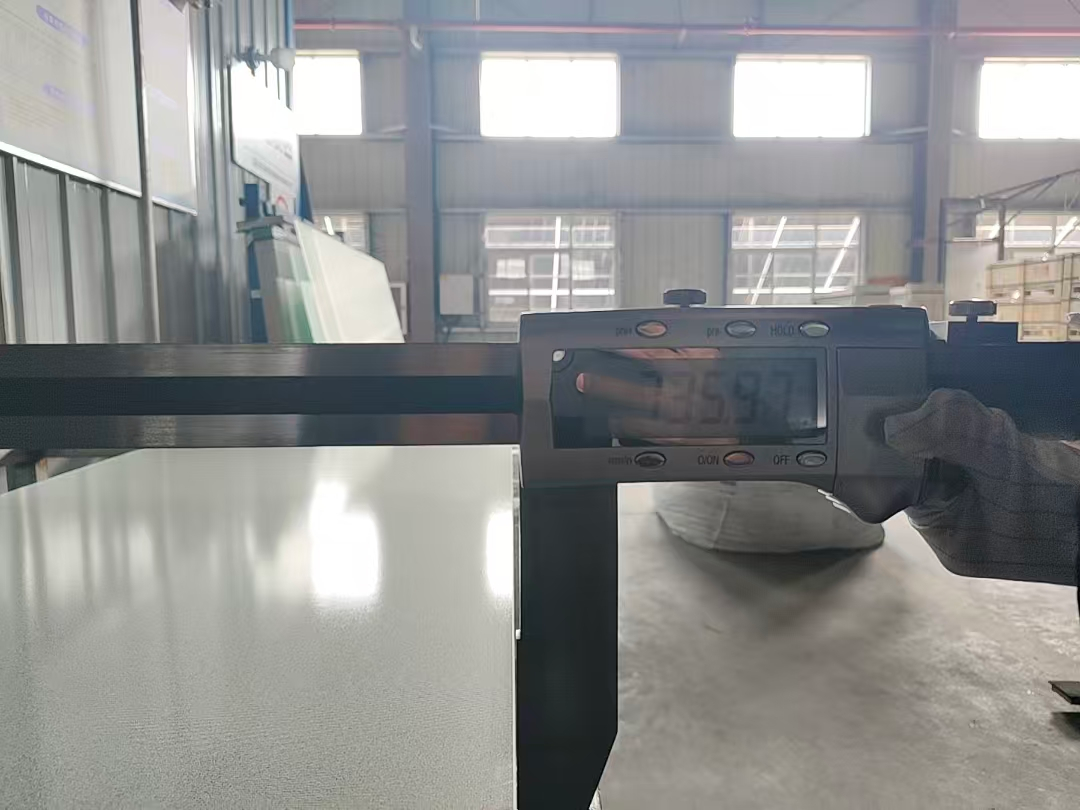
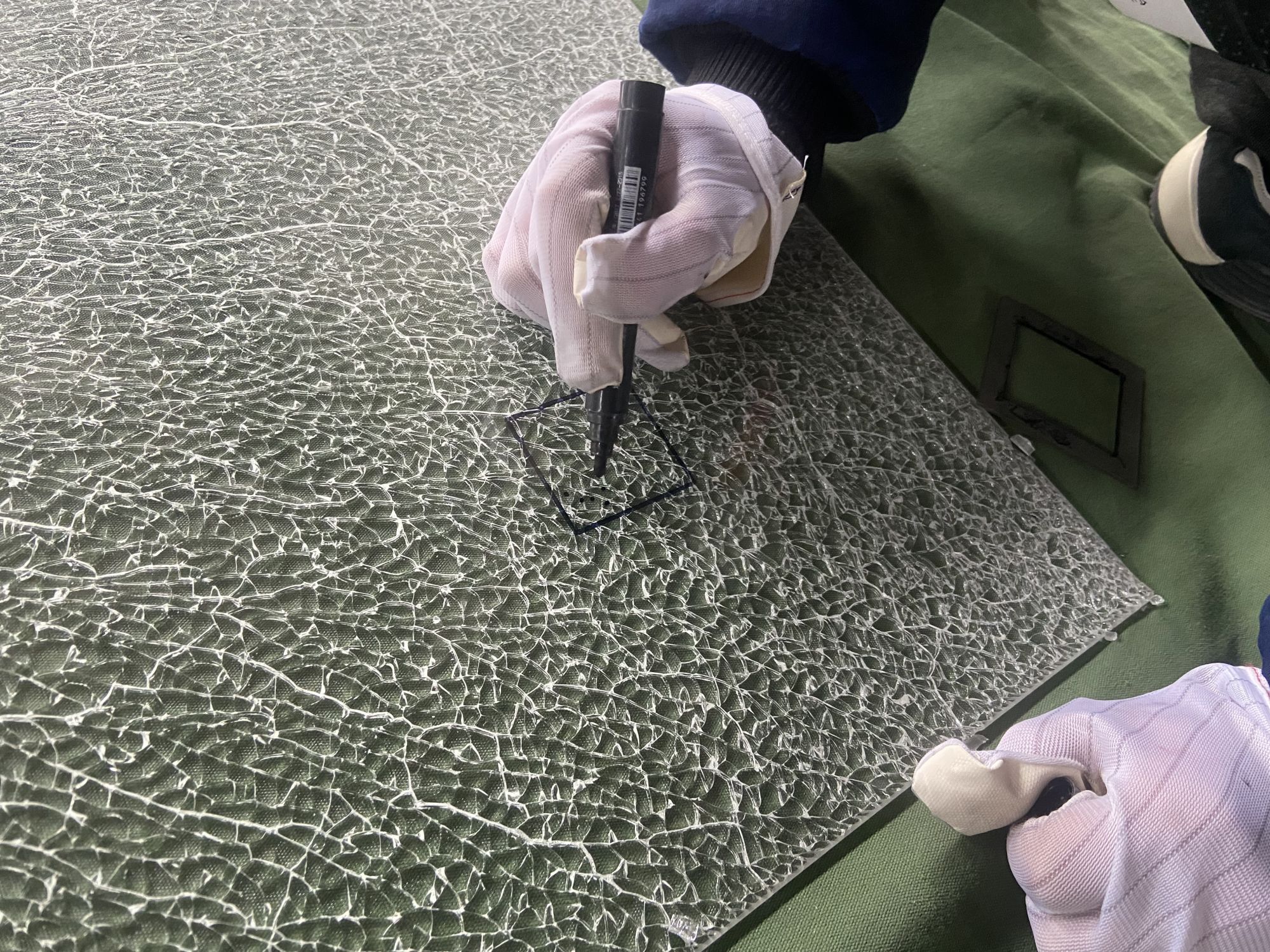
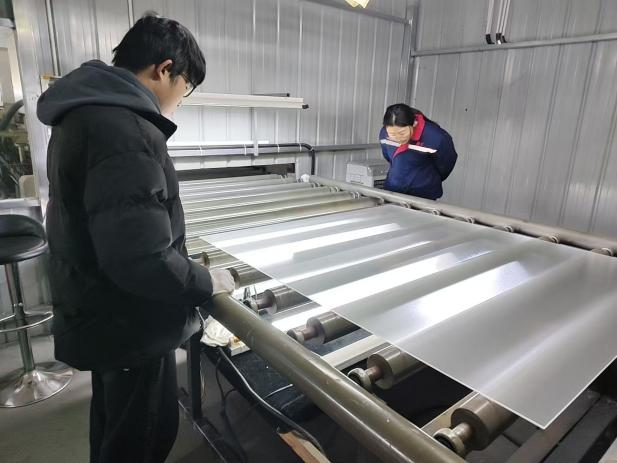
After the finished product is produced, quality inspectors use the "upper and lower light collaborative inspection method" to carefully examine each piece of glass one by one, ensuring no minor scratch or impurity is missed. For products with issues, the inspectors urge immediate rework on site and simultaneously optimize the process. Non-conforming products are completely withdrawn and reprocessed, with overtime arranged to ensure rework is done with guaranteed quality — never compromising delivery schedules due to rushed production.
2. Why is container loading even more critical?
International transportation is a long journey, and container loading is the last line of defense in protecting glass safety.
① Standardized packaging for enhanced protection
After passing inspection, glass products are sorted and stacked by size and specification, with special corner guards added to prevent impact and scratches. They are then placed into custom wooden crates that meet ISPM15 standards, with moisture-proof bags and shock-absorbing pads placed inside. The crates are clearly marked with internationally recognized warning signs such as "Fragile," "This Way Up," and "Keep Dry," then smoothly transported by forklift to the container loading area, with quality inspectors supervising the entire process.
② Scientific container loading with full monitoring
Each container is precisely calculated and intelligently arranged using AI vision to ensure every crate of glass is securely fastened. Our quality inspectors remain on the front line throughout the loading process, checking before loading that the container is clean, undamaged, properly sealed, and free of safety hazards.
Container loading follows the principle of "centering, neatness, and securing":
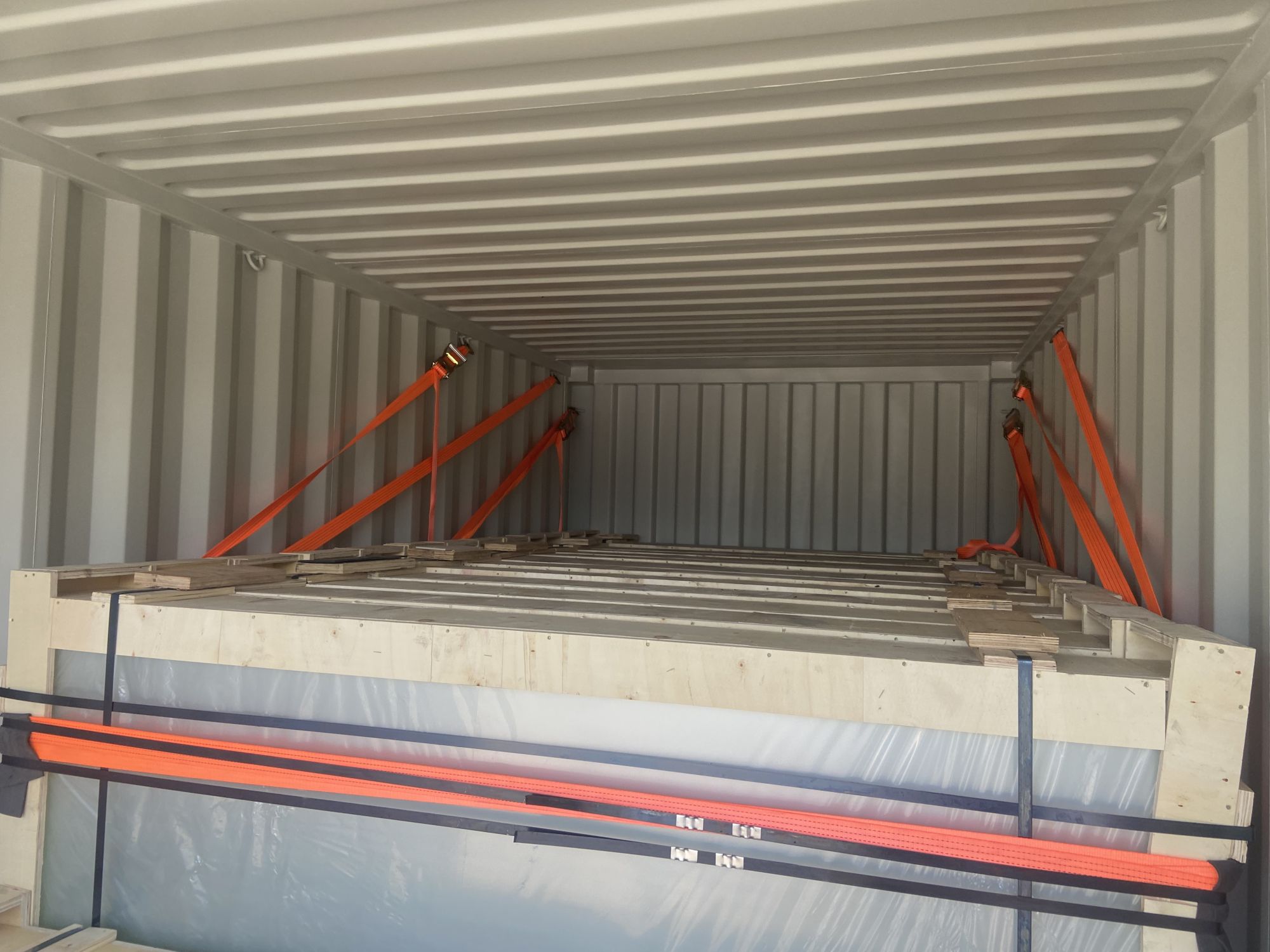
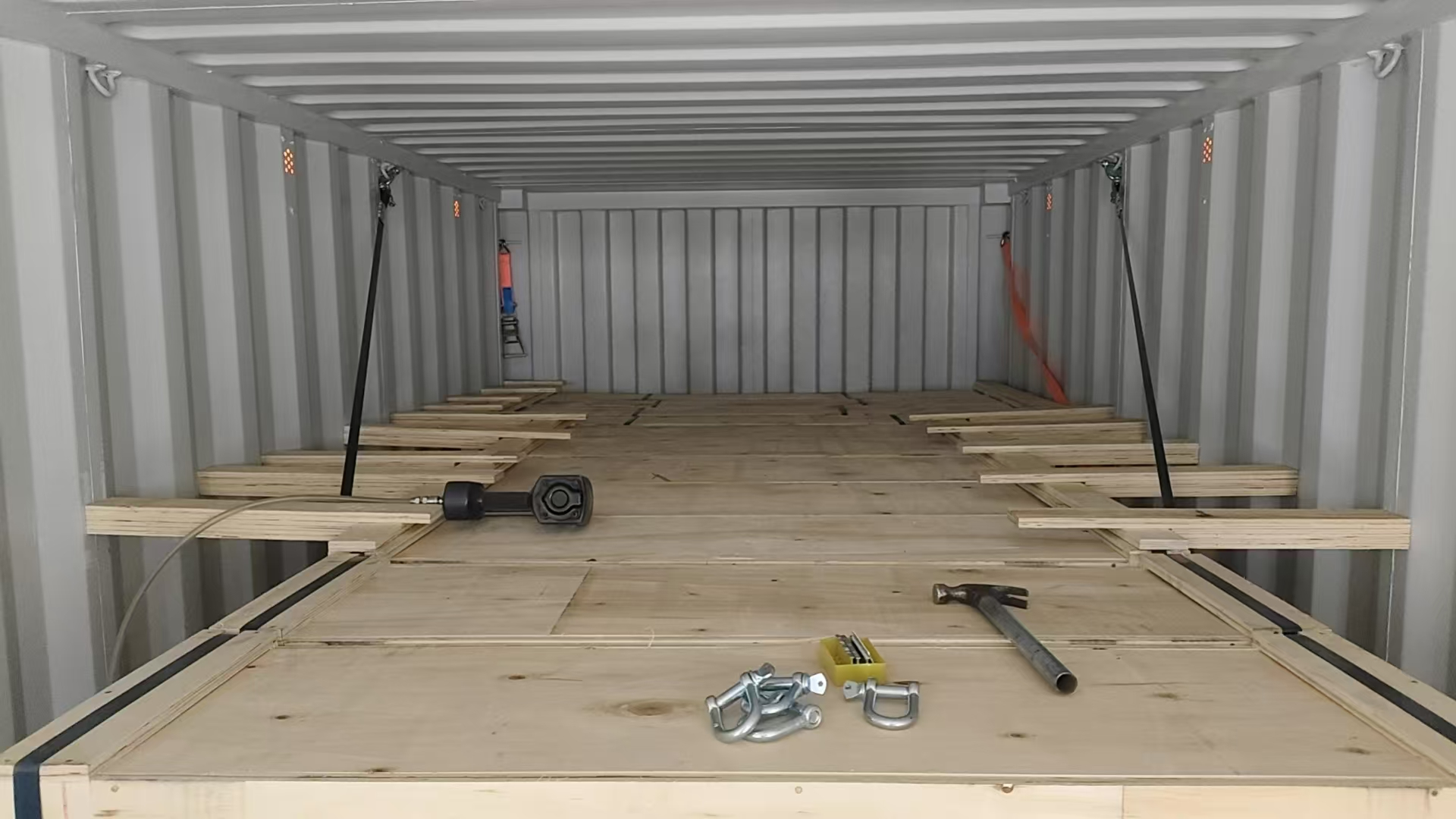
From quality inspection and packaging to loading and shipping, the company implements a closed-loop control system throughout the entire process, with quality inspectors supervising every step to ensure products are delivered intact through standardized operations. In the future, we will continue to strictly adhere to standards, strengthen quality assurance at every stage, and give back to the market and every partner with standardized products and excellent service.